Navigating the world of fishing lures requires understanding hook sizes; finding the perfect balance is crucial for successful angling, impacting hookup ratios significantly.
What are Treble Hooks?
Treble hooks, distinguished by their three curved points, are a staple in lure fishing, commonly found on crankbaits, jerkbaits, and spinnerbaits. Their design enhances hooking probability, increasing the chance of a secure catch. Unlike single hooks, trebles offer multiple hooking opportunities, compensating for fish that strike short or move erratically during retrieval.
Why Hook Size Matters
Selecting the correct treble hook size directly influences your fishing success. An undersized hook may result in missed strikes or pulled hooks, while an oversized hook can hinder penetration and appear unnatural to the fish. Proper sizing ensures optimal hooksets, maximizing your chances of landing a fish and improving overall catch rates.
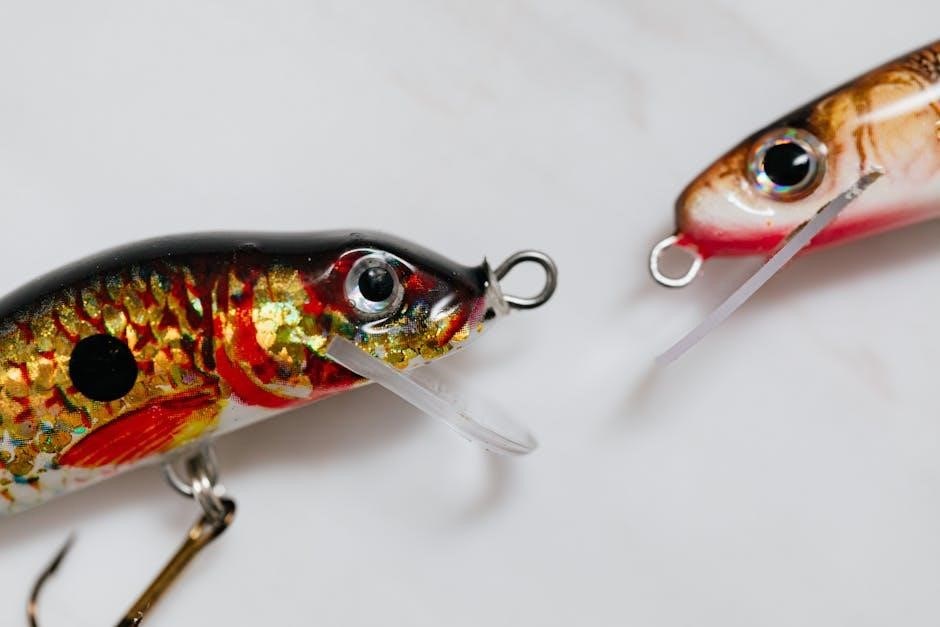
Understanding Treble Hook Size Terminology
Decoding hook sizing involves numbers and wire gauge; understanding these terms is essential for selecting hooks that match your target species and lure presentation effectively.
Hook Size Numbering System
Treble hook sizes are indicated numerically, decreasing as the hook gets larger – a smaller number signifies a bigger hook. Common sizes range from tiny size 16s for ultra-light fishing, up to substantial 1/0, 2/0, and even larger for massive species. The ‘0’ designation indicates “ought,” with 1/0 being larger than 0, 2/0 even larger, and so on. This system allows anglers to precisely match hook size to bait and fish dimensions, maximizing hooking potential.
Wire Gauge and Strength
Beyond the numerical size, a treble hook’s wire gauge dictates its strength and durability; A higher gauge number indicates a thinner, lighter wire, suitable for smaller fish and finesse presentations. Conversely, lower gauge numbers represent thicker, stronger wire, essential when targeting powerful species or fishing in heavy cover. Selecting the appropriate gauge prevents bending or breakage during intense fights.
Treble Hook Sizes for Different Fish Species
Matching hook size to your target species is paramount; smaller hooks for panfish, medium sizes for bass, and larger, stronger hooks for pike and saltwater fish.
Small Fish (Panfish, Trout) ─ Size 8-12
For delicate species like panfish and trout, treble hooks in the size 8 to 12 range are ideal. These smaller hooks offer a better presentation for their mouths, ensuring solid hooksets without tearing delicate tissues. Lighter wire gauges are sufficient, prioritizing finesse over brute strength, maximizing your chances of landing these smaller, spirited fighters.
Medium Fish (Bass, Walleye) ─ Size 6-8
Targeting bass and walleye necessitates a step up in hook size, with sizes 6-8 proving most effective. These hooks provide a robust hold for these moderately sized predators, balancing strength and presentation. A medium wire gauge is recommended, offering sufficient power to handle their aggressive strikes and runs, increasing landing success.
Large Fish (Pike, Musky, Saltwater Species) ⎻ Size 4-1/0
When pursuing formidable species like pike, musky, or saltwater predators, robust treble hooks in sizes 4 to 1/0 are essential. These larger hooks possess the strength to penetrate tough mouths and withstand powerful surges. Heavier wire gauges are crucial to prevent bending or breakage during intense battles, ensuring a secure hookset.
Treble Hook Sizes for Different Lure Types
Lure design dictates optimal hook size; crankbaits need different hooks than spinnerbaits, impacting presentation and hookup rates for varied fishing scenarios.
Crankbaits and Jerkbaits
For crankbaits and jerkbaits, size 6 to 2/0 treble hooks are generally preferred, depending on lure size and target species. Smaller crankbaits benefit from size 6-8 hooks, ensuring a proportionate match. Larger lures, designed for bigger fish, often utilize size 1/0 to 2/0 hooks, providing increased strength and holding power. Consider the hook gap; wider gaps improve hooksets with short-striking fish, crucial for these lures’ erratic actions.
Spinnerbaits and Buzzbaits
Spinnerbaits and buzzbaits typically employ size 2/0 to 4/0 treble hooks on the skirt, and a slightly smaller size (2/0-3/0) on the trailer. The larger hook size handles the weight and vibration, while the trailer hook ensures solid hooksets during aggressive strikes. Prioritize strong, short-shanked hooks to prevent fouling in heavy cover, common with these lures. Wire gauge is also vital for durability.
Topwater Lures
Topwater lures often utilize smaller treble hooks, generally ranging from size 6 to 2/0, depending on the lure’s size and target species. Smaller hooks maintain a realistic profile and improve hookup rates on surface strikes. Consider using feathered or silicone skirts to conceal the hooks and entice wary fish. Sharpness is paramount for quick penetration.
Factors Influencing Hook Size Selection
Several elements dictate optimal hook size: bait presentation, water clarity, and fishing pressure all play vital roles in maximizing your chances of a successful catch.
Bait Size and Presentation
Matching the treble hook size to your bait is paramount for a natural presentation. Larger baits necessitate larger hooks to ensure complete coverage and a secure hold, preventing slippage during strikes. Conversely, smaller baits demand smaller hooks to maintain a proportionate look, avoiding suspicion from wary fish. Consider how the hook influences the lure’s action; a too-large hook can impede movement, while a too-small hook may not effectively penetrate.
Water Clarity
Water clarity significantly influences treble hook size selection. In clear water, fish are more discerning, favoring subtle presentations. Downsizing your hook can reduce visibility and increase the likelihood of a strike. Conversely, murky water allows for larger, more aggressive hook sizes, as fish rely more on vibration and less on sight. Adjust accordingly!
Fishing Pressure
High fishing pressure often means wary fish. Consider downsizing hook sizes to create a less obvious presentation, potentially fooling pressured fish. Alternatively, upgrading to stronger hooks can combat increased instances of lost lures due to snagging or aggressive takes from cautious predators. Adapt your strategy!
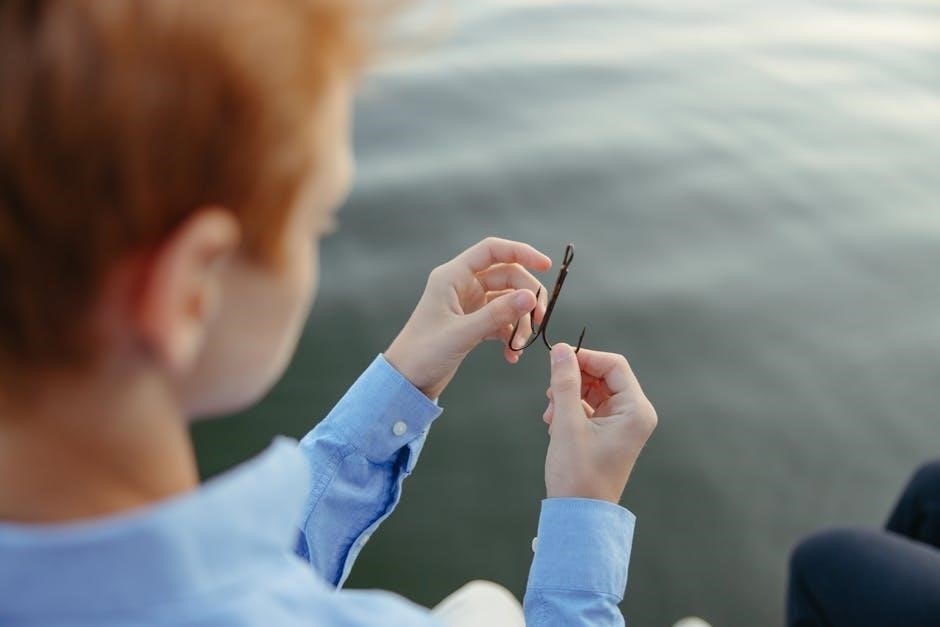
Replacing Treble Hooks: A Step-by-Step Guide
Proper hook replacement enhances lure performance and safety. This guide details the tools needed and techniques for secure removal and installation of treble hooks.
Tools Needed
Essential tools for treble hook replacement include a pair of split ring pliers – crucial for safely opening and closing the rings without damaging them; Needle-nose pliers offer precision for handling small hooks. A hook sharpener maintains optimal point sharpness, increasing hookup rates. Consider having a hook disgorger for safe fish release, and always wear safety glasses to protect your eyes from flying hooks during the process.
Proper Hook Removal and Installation
Begin by using split ring pliers to carefully open the existing split ring, then remove the old treble hook. Inspect the ring for damage, replacing it if necessary. Align the new treble hook’s eye with the split ring, ensuring proper orientation. Gently close the ring completely, verifying secure attachment. Avoid over-tightening, which can hinder lure action.
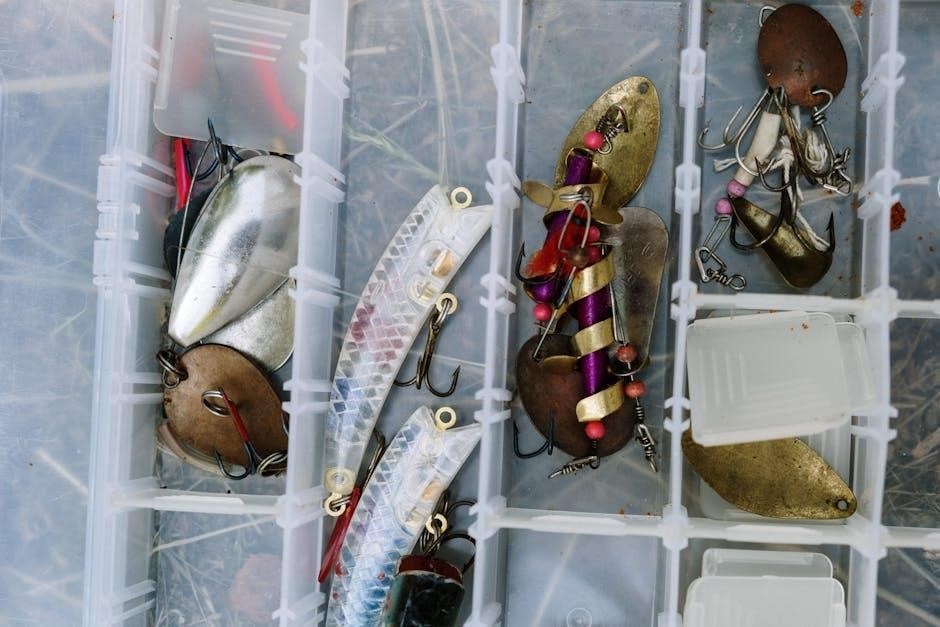
Upgrading Treble Hooks for Improved Performance
Investing in high-quality treble hooks enhances durability and sharpness, leading to better hooksets and increased landing rates for a more rewarding fishing experience.
Choosing High-Quality Hooks
Selecting premium treble hooks significantly impacts fishing success; prioritize hooks forged from high-carbon steel for exceptional strength and lasting sharpness. Look for hooks with a chemically sharpened point, ensuring immediate penetration.
Consider the hook’s finish – black nickel or tin plating offers corrosion resistance. Durable hooks withstand repeated casts and aggressive strikes, ultimately improving your catch rate and overall enjoyment.
Corrosion Resistance
Saltwater and prolonged freshwater exposure can quickly degrade hooks, necessitating corrosion-resistant options. Black nickel, tin, or specialized coatings protect against rust and weakening. Stainless steel offers excellent resistance, though potentially sacrificing some sharpness. Regularly inspect hooks for signs of corrosion, and replace them promptly to maintain optimal performance and prevent frustrating breakoffs during crucial moments.
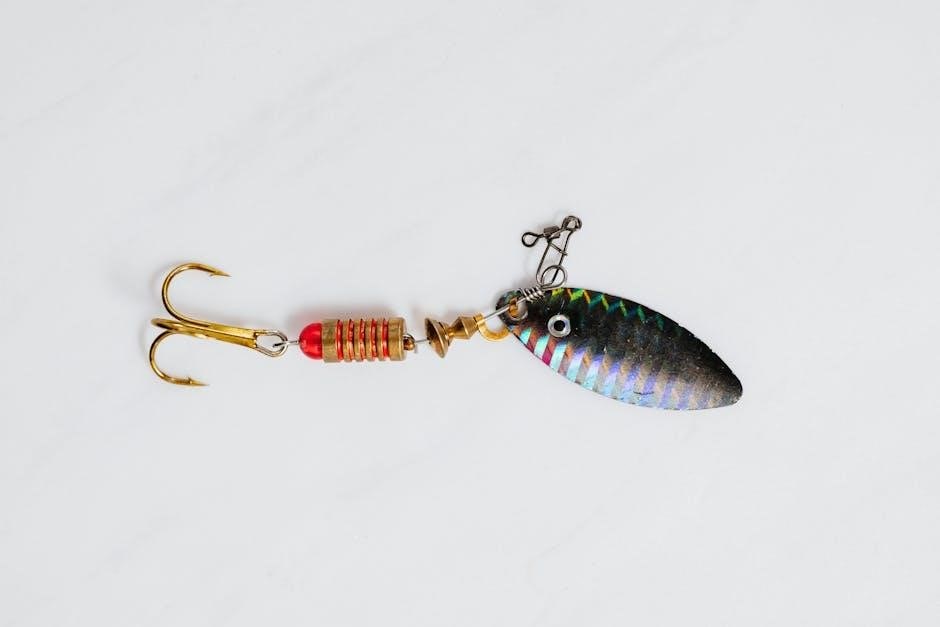
Safety Considerations When Handling Treble Hooks
Treble hooks pose injury risks; use caution during handling and removal. Keep a hook disgorger handy, and prioritize first aid knowledge for accidental punctures.
Hook Removal Techniques
Carefully assess the hook’s penetration point before attempting removal; avoid pulling directly, which can cause further damage. Utilize pliers or a hook disgorger to gently back the hook out following its original path. If deeply embedded, consider cutting the hook’s eye and removing it in pieces, seeking medical attention if necessary. Prioritize minimizing trauma to both yourself and the fish during the process, ensuring a swift and safe release or responsible handling.
First Aid for Hook Injuries
Immediate care for treble hook injuries involves cleaning the wound thoroughly with soap and water. If the hook is easily removable, do so carefully; otherwise, do not attempt removal and seek medical attention. Control bleeding with direct pressure and a clean bandage. Monitor for signs of infection – redness, swelling, pus – and consult a doctor promptly. A tetanus booster may be necessary, especially if vaccination is outdated.
Popular Treble Hook Brands
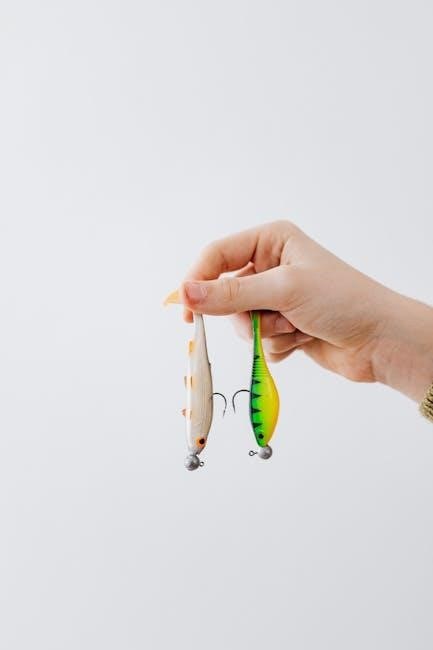
Gamakatsu, Owner, and VMC are highly regarded brands known for their quality, durability, and sharpness, offering anglers reliable performance in various fishing conditions.
Gamakatsu
Gamakatsu consistently delivers exceptionally sharp and strong treble hooks, favored by both professional and recreational anglers. Their hooks feature a meticulous point chemistry process, resulting in incredible penetration. Gamakatsu offers a wide range of series, including the renowned Octopus and Circle hooks, catering to diverse fishing applications. Known for their reliability and consistent quality, Gamakatsu hooks minimize lost fish and maximize hookup rates, making them a top choice for serious anglers.
Owner
Owner hooks are renowned for their cutting-edge technology and superior strength, particularly their chemically sharpened points. The ST-36BC and ST-66 hooks are incredibly popular choices for lure modifications. Owner’s commitment to innovation results in hooks that offer exceptional penetration and holding power. They are a premium brand trusted by anglers seeking top-tier performance and durability in demanding fishing conditions, ensuring a secure hookset.
VMC
VMC hooks are a globally recognized brand, celebrated for their consistent quality and wide range of options. Their Barbarian treble hooks are a staple for many lure builders, offering a strong, reliable hookset. VMC utilizes high-carbon steel and precision grinding techniques, resulting in exceptionally sharp and durable hooks. They provide excellent value and performance for various fishing applications, making them a favorite among anglers.
The Impact of Hook Gap on Hookup Rates
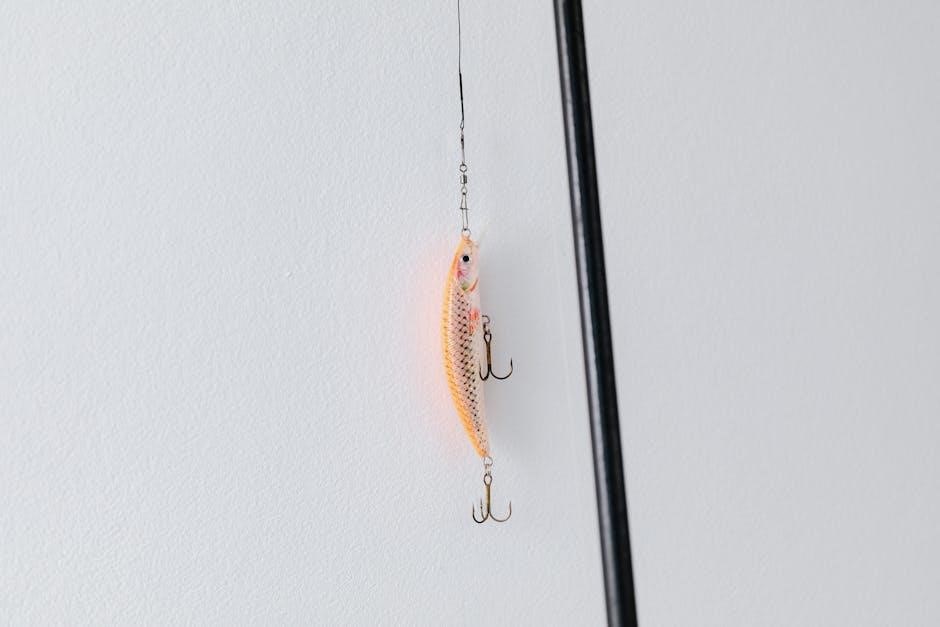
Hook gap size dramatically influences hookup success; wider gaps accommodate larger mouths, while narrower gaps improve hooking percentages with smaller fish species.
Wide Gap Hooks
Wide gap treble hooks excel when targeting fish with larger mouths, like bass or pike, offering ample space for a secure hookset. These hooks are designed to penetrate deeper, increasing the likelihood of a solid connection even with short strikes. They’re particularly effective with bulkier lures and presentations where a wider opening is beneficial for maximizing hooking potential, ensuring a firm hold during aggressive takes.
Narrow Gap Hooks
Narrow gap treble hooks are ideal for finesse presentations and smaller lures, providing a more subtle profile. They excel in situations where a less conspicuous hook is needed, enhancing the lure’s natural action. These hooks are particularly effective when fish are pressured or when using smaller baits, offering a quicker, cleaner hookset in delicate situations.

Matching Hook Size to Line Strength
Proper line and hook matching prevents breakoffs and ensures secure fish landings; selecting appropriate knots further optimizes strength and maintains angling control.
Avoiding Breakoffs
Breakoffs frequently occur when hook size and line strength are mismatched, especially with powerful fish. Using a lighter line than the hook’s capacity risks snapping during aggressive strikes or prolonged fights. Conversely, excessively heavy line with a small hook can pull the hook free. Always consider the target species’ fighting ability and choose a line with a comparable or slightly higher tensile strength than the hook’s maximum rating to minimize frustrating losses.
Optimal Knot Selection
Selecting the right knot is as vital as matching hook to line; a weak knot negates strong tackle. Palomar and improved clinch knots are excellent choices for treble hooks, offering high strength and reliability. Ensure the knot is tied correctly, lubricated, and tightened firmly. Regularly inspect knots for wear, and retie frequently, especially after catching numerous fish, to maintain a secure connection.
Advanced Treble Hook Techniques
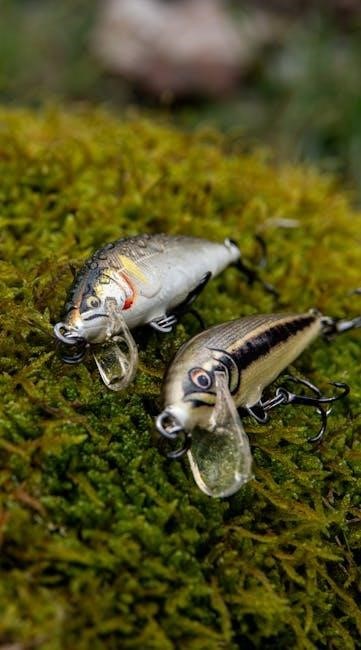
Employing trailer and stinger hooks boosts hookup rates, particularly with lures lacking inherent hooking power; these additions enhance presentation and fish-holding capability.
Trailer Hooks
Trailer hooks, typically single hooks, are added to the tail of lures like spinnerbaits or swimbaits, increasing the chance of a solid hookset. They follow the lure’s action, presenting an enticing target. Selecting the correct trailer hook size is vital; it should complement the lure and target species. Smaller trailers suit finesse presentations, while larger ones match bulkier lures and bigger fish. Proper attachment ensures natural movement, maximizing effectiveness and converting strikes into landed fish.
Stinger Hooks
Stinger hooks are small, single hooks attached to a lure to improve hookup rates, especially with short strikes. Commonly used on buzzbaits and spinnerbaits, they trail behind the lure, offering a secondary hooking opportunity. Size selection depends on the lure and target fish; smaller stingers for finesse, larger for aggressive presentations. Correct positioning and secure attachment are key for optimal performance, ensuring a solid connection when a fish strikes.
Troubleshooting Common Treble Hook Issues
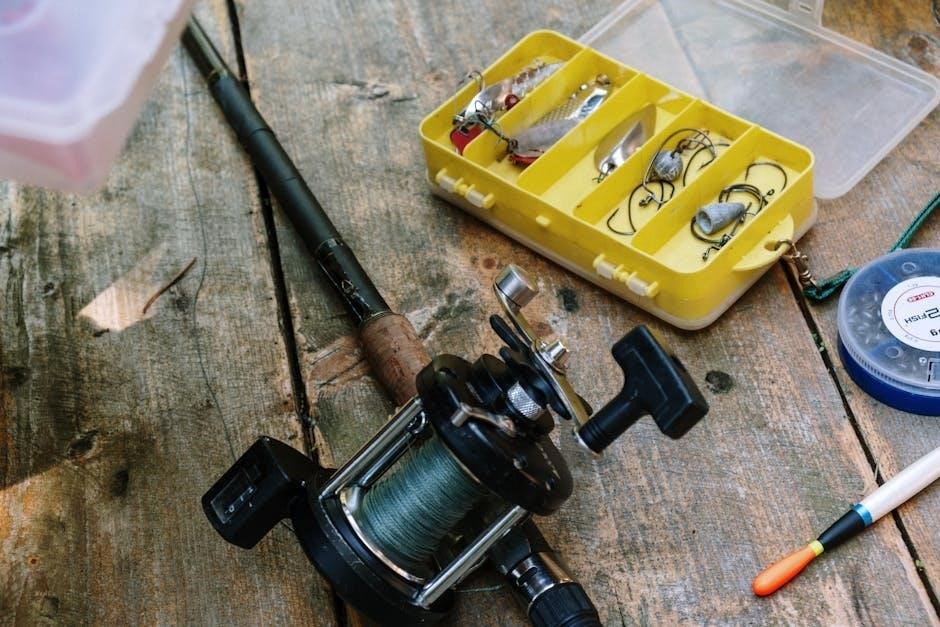
Bent or rusted treble hooks drastically reduce effectiveness; regular inspection and replacement are vital for maintaining optimal performance and ensuring reliable hooksets.
Bent Hooks
Encountering bent treble hooks signals a few potential issues – perhaps a powerful fish, snagging on underwater obstructions, or simply using a hook with insufficient strength for the target species. Carefully examine the hook; if bent, discard it immediately. Do not attempt to reshape, as this weakens the metal. Prioritize using higher-quality, stronger hooks, and consider upgrading wire gauge for larger, more aggressive fish to minimize bending occurrences.
Rusted Hooks
Rust compromises the integrity of treble hooks, significantly weakening them and increasing the risk of failure during a fight with a fish. Regularly inspect hooks for any signs of corrosion, especially after saltwater exposure. Replace rusted hooks immediately; attempting to clean them is rarely effective long-term. Opt for corrosion-resistant hook materials like high-carbon steel with protective coatings.
Resources for Further Learning
Expand your knowledge with online fishing forums dedicated to lure modifications and hook selection. Websites of major hook manufacturers – Gamakatsu, Owner, and VMC – offer detailed specifications and guides. YouTube channels featuring professional anglers demonstrate hook replacement and rigging techniques. Consider local tackle shop experts for personalized advice.
Comments